

If you’re dealing with uneven patches that won’t fade, you’re not alone, and you’re not “doing skincare wrong.” Dark spots treatment in Phoenix AZ works best when it matches why the discoloration showed up in the first place (sun damage, melasma, post-breakout marks, friction, or inflammation) and how your skin typically reacts. The most reliable plans combine prevention (especially daily UV and visible-light protection), targeted topicals that slow excess pigment, and in-office treatments that speed cell turnover or break up pigment, without triggering more irritation. The result you’re after isn’t “bleached” skin; it’s calmer melanocyte behavior, steadier tone, and fewer new spots forming while older ones gradually lift.
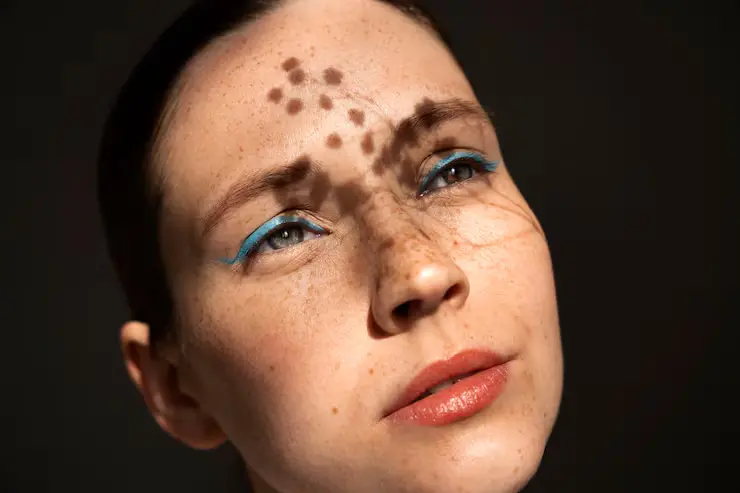
High UV exposure is a major driver of pigment issues. Even when a spot starts from acne or a scratch, sun exposure can “lock in” discoloration and make it linger longer. Dark spots can show up as:
Treating pigment without daily protection usually leads to slow progress or quick relapse. Dermatologists consistently emphasize sunscreen as the baseline for fading and preventing dark spots, especially formulas that address visible light (tinted options with iron oxides can help).

A spot-fading plan should be structured, not random. Here’s the framework that tends to work across most skin types:
What matters most: controlling irritation. Too much inflammation can worsen hyperpigmentation, especially in pigment-prone skin.
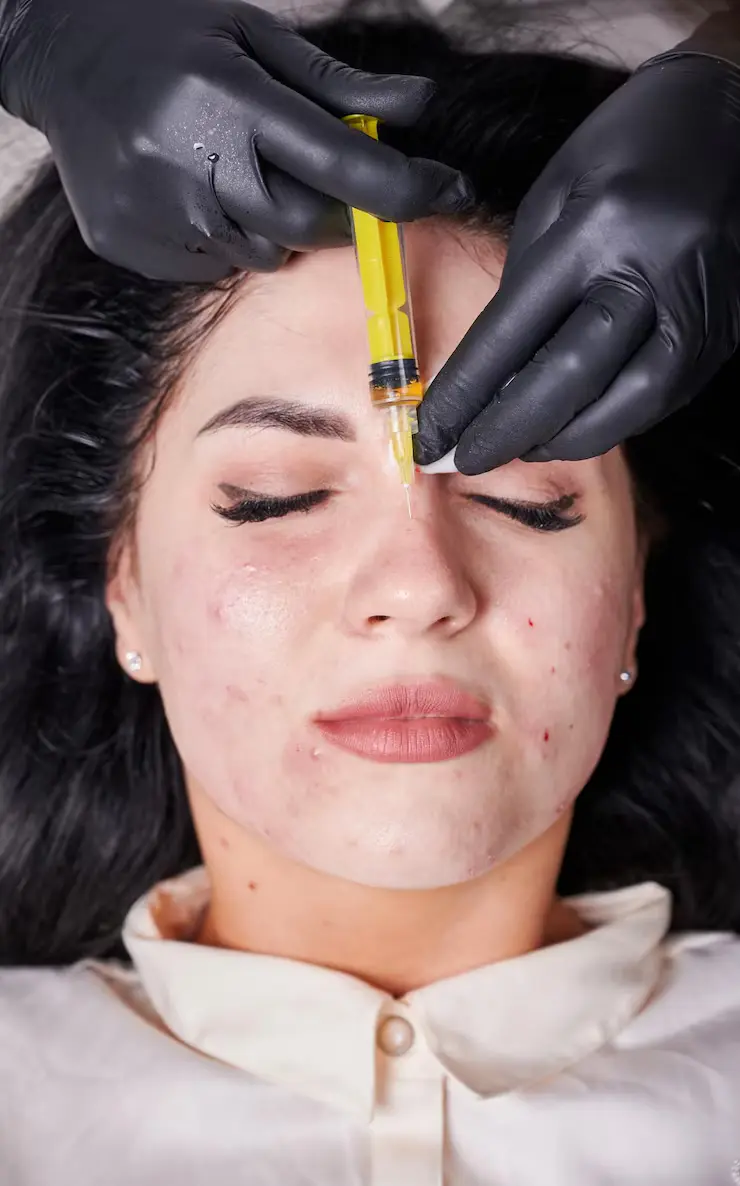
These are the in-office approaches most commonly used for discoloration and uneven tone, chosen based on skin sensitivity, pigment depth, and downtime tolerance.
Chemical peels can help improve discolored skin and support smoother tone by increasing controlled exfoliation. Light-to-medium peels are often used to brighten and refine texture, while deeper peels have more downtime and are not for everyone.
Certain lasers and intense pulsed light treatments target pigment by focusing on melanin, and they’re often used for sun spots/age spots and uneven tone. These approaches may require multiple sessions depending on spot depth and distribution.
If you’re tempted by online lightening products, be cautious. In the U.S., over-the-counter products containing hydroquinone are considered unapproved drugs and may be illegally marketed; FDA communications also warn consumers about harmful skin-lightening products (including those with mercury). If a product looks suspicious, skip it and ask a licensed professional.
This is the part most people need: a simple, consistent routine that doesn’t trigger irritation.
A safe starting approach is one pigment-regulating ingredient + one gentle texture-support ingredient, for example:
Dark spots usually fade in stages. Sun spots and PIH can improve over weeks to months; melasma often needs longer-term maintenance. The biggest “accelerator” is consistent protection plus a plan you can follow without irritation flares.
Consider an in-person assessment if:
A provider can confirm the pigment type and choose the safest treatment depth (especially important for pigment-prone skin).
If you want meaningful fading without the cycle of irritation and rebound, treat discoloration like a plan, not a product hunt. Start by protecting your skin daily, then add targeted topicals that regulate pigment, and use professional treatments when you need a faster shift in tone and texture. Our team at Body Beautiful Spa can guide the process with an individualized approach, confirming what kind of pigment you have, choosing peel or laser options that fit your downtime tolerance, and setting a practical session timeline so progress is visible and steady. If you’re also exploring broader skin goals, ask about Anti-aging in Phoenix, AZ as a coordinated plan rather than separate, disconnected treatments.
It depends on the type of pigment. Sun spots often respond well to light/laser approaches, while widespread tone issues can improve with a series of chemical peels. Most people need multiple sessions for best results.
They can. Chemical peels are commonly used to improve discolored skin and support smoother tone and texture, but depth selection matters, too much irritation can worsen pigment in some people.
The most common reason is ongoing UV/visible-light exposure without consistent sunscreen. Dermatology guidance emphasizes sunscreen as the foundation for preventing and helping clear dark spots.