

Sun exposure, dehydration, and daily environmental stressors can add up quickly in the desert, showing up as rough texture, fine lines, dullness, and pigment changes that feel “stuck.” Anti-aging in Phoenix AZ results improve most when your plan targets the three drivers that actually change skin quality over time: consistent UV protection, collagen-supporting ingredients, and procedures chosen for your specific pattern rather than someone else’s trend. A smart approach starts with skin-barrier stability and daily broad-spectrum sunscreen, then introduces proven actives like retinoids and antioxidants, and finally adds professional treatments for tone, lines, and age spots when home care alone plateaus. Retinoids, in particular, are widely used for photoaging goals like fine lines and mild pigmentation irregularities, but they need the right pacing to avoid irritation.
If you’ve been searching for Anti-aging treatments near me, focus on the treatments that either protect you from ongoing damage or trigger measurable repair. “Anti-aging” is not one thing, so your plan should match your dominant concern:
A reliable plan typically combines:
A procedure schedule that respects recovery and avoids over-treating (more sessions at moderate intensity usually beats one aggressive session).
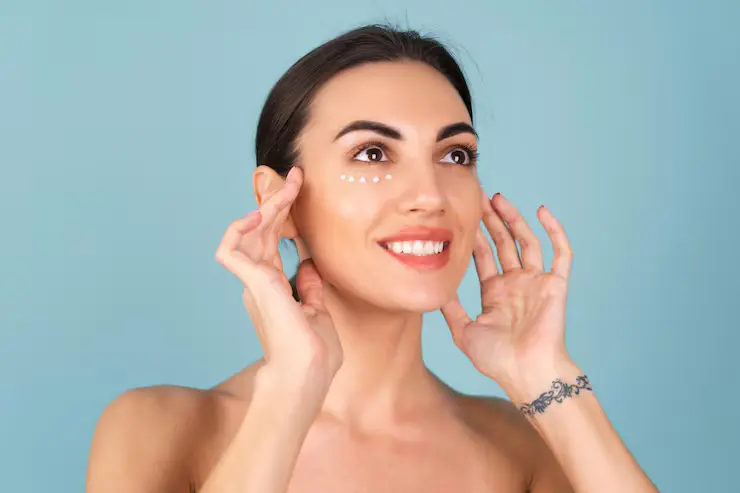
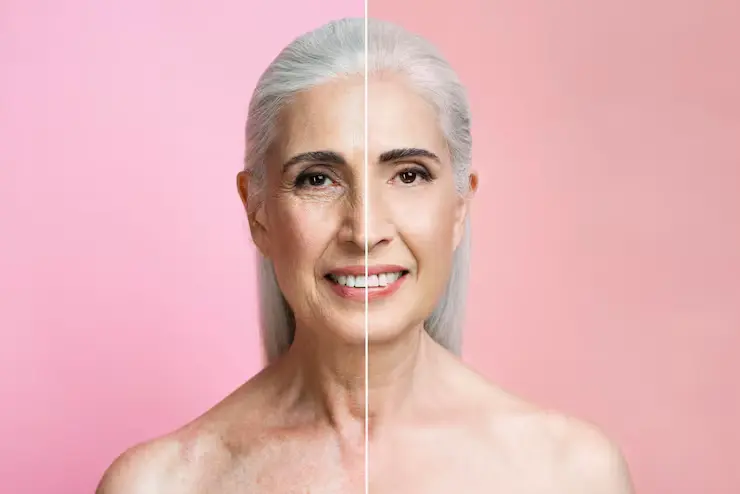
In Phoenix, a lot of what people call “aging” is actually a mix of photoaging and barrier stress. High UV exposure accelerates visible signs like fine lines, uneven tone, and age spots, while low humidity can make skin look rough or tight, which exaggerates texture. That’s why the basics matter more here: daily sun protection, barrier-friendly hydration, and careful use of exfoliants so you don’t trade “glow” for irritation.
Here’s a realistic view of procedure categories and what they tend to address. The goal is to pick the right tool for your primary concern.
Retinoids are one of the most studied topical options for photoaging and can support improvement in fine lines and mild pigmentation irregularities when used consistently and introduced slowly. Start low, increase gradually, and expect a build phase rather than overnight change.
Age spots often respond well to procedures that target pigment, but results depend on spot depth, distribution, and your aftercare. Mayo Clinic notes that some laser and intense pulsed light therapies can target melanin-producing cells and commonly require multiple sessions.
Use these quick filters:
If you prefer lower-downtime options, ask about Non-invasive treatments in Phoenix, AZ as part of a structured plan rather than one-off sessions.
Be cautious with unverified lightening products sold online or through informal channels. The FDA warns that some products marketed as skin lighteners contain mercury and/or hydroquinone and may cause harm. If you’re unsure about an ingredient list, it’s safer to pause and ask a qualified clinician what fits your skin and goals.
Skin renewal is measurable, but it’s not instant. In general:
The most common reason results stall is inconsistent UV protection, especially after peels or pigment-targeting treatments.
Sun exposure, dryness, and pigment shifts can make aging concerns feel more stubborn in Phoenix, but the solution stays practical when you treat it as a structured plan you can repeat. Start with daily sunscreen and barrier support, add one corrective active you can use consistently, then choose professional treatments that match your priority concern, whether that is lines, texture, or age spots. Body Beautiful Spa can help you confirm what your skin is responding to, select an appropriate treatment series, and set checkpoints so progress stays clear instead of guesswork.
Topical retinoids are among the most studied options for photoaging and can improve fine lines and mild pigmentation irregularities when introduced gradually and used consistently.
Yes. Chemical peels are used to treat wrinkles and discolored skin, and results depend on peel depth and aftercare. Deeper peels can give stronger results but require longer recovery.
The most common driver is ongoing sun exposure without consistent protection. Continued UV exposure can trigger new pigment and darken existing areas over time.