

If your skin feels looser than it used to, the right plan is rarely “one magic treatment.” Skin Tightening near me searches usually lead to long menus of devices, but results come from matching the method to your laxity pattern, skin thickness, and tolerance for heat-based treatments. In Phoenix, sun exposure and dehydration can make laxity look worse by weakening collagen over time and exaggerating texture, so the most reliable approach combines daily protection, barrier support, and a treatment series designed for gradual collagen remodeling.
Skin tightening works by improving structure, not by “shrinking” skin overnight. Two factors drive most visible laxity:
In Phoenix, high UV exposure can accelerate the look of aging and uneven texture, while low humidity can make skin appear crepey even when laxity is mild. That’s why a strong plan doesn’t start with a device name, it starts with the pattern:
Post-weight-loss laxity where skin needs time and support to remodel
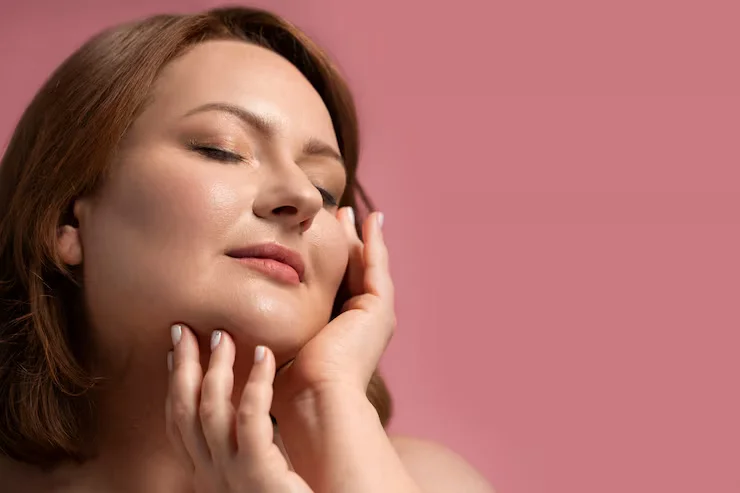
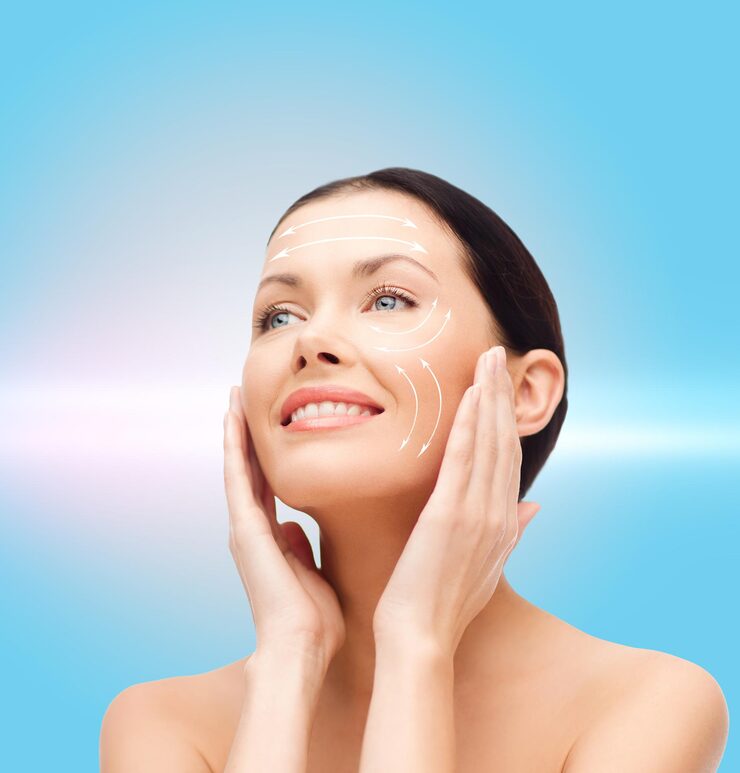
Not all “tightening” does the same job. Some treatments focus on collagen stimulation in the dermis, while others improve texture so skin looks tighter. The best plans often combine one collagen-focused modality with a texture or tone modality.
Radiofrequency (RF) is a common non-surgical option used to firm mildly sagging skin by delivering controlled heat to deeper layers, which can stimulate collagen remodeling over time. It’s typically chosen when you want gradual tightening without significant downtime.
Ultrasound tightening targets deeper structural layers than many surface treatments. It’s often considered when the goal is a more noticeable lift effect along areas like the brow, jawline, or neck, and when you want a treatment that focuses on “support” rather than surface polishing.
RF microneedling combines needling with RF energy delivered below the skin surface, aiming to improve skin quality, texture, and mild laxity through dermal remodeling. It’s commonly chosen when pores, acne scars, or texture are part of the concern—not just looseness.
Important safety note
RF microneedling is not casual skincare. Reported complications can include burns, scarring, fat loss, disfigurement, and nerve damage when the procedure is performed incorrectly or by inadequately trained operators. Your provider should explain device settings, depth, candidate selection, and risk mitigation clearly before treatment.
Laser resurfacing is commonly used to improve the look and feel of skin and reduce fine lines, age spots, and uneven skin color, but it does not correct sagging skin. It can still be valuable because smoother texture and better tone often make mild laxity look less obvious.
Most people with mild to moderate laxity are good candidates for non-surgical tightening, especially when expectations are realistic and skin quality is supported with consistent home care.
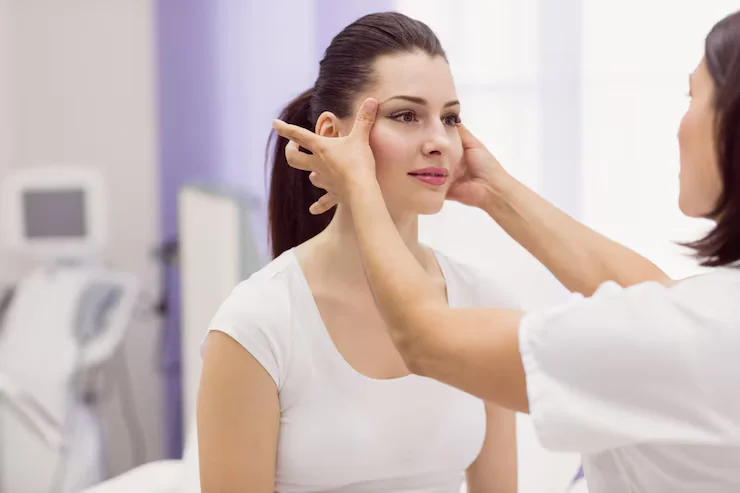
Non-surgical tightening is progressive. Collagen remodeling takes time, which is why session spacing and consistency matter.
Skin tightening works best when you treat it as a measured skin program, not a one-time appointment. The most reliable outcomes come from choosing the right treatment category for your laxity pattern, committing to a safe series, and supporting results with consistent sun protection and barrier care that fits Phoenix weather. When a provider tracks progress with photos and clear checkpoints, improvements in firmness and definition become easier to see and easier to maintain. Body Beautiful as Glo Medspa in Phoenix AZ can help you narrow down which approach fits your goals, explain realistic timelines, and set a session plan that prioritizes safety and predictable progress.
Many people notice small changes in skin feel first, while visible tightening tends to build over several weeks and often improves most after completing a recommended series. Peak results commonly develop over a few months as remodeling continues.
It depends on your goal. RF is often chosen for gradual firmness and texture improvement, while ultrasound-based tightening is often chosen when deeper support and lift-like definition is the priority. A good provider will match the method to your laxity pattern and skin thickness.
Laser resurfacing can improve texture, fine lines, and tone, which may make skin look tighter, but it does not correct true sagging. It’s often used alongside a tightening plan when skin quality is also a concern.