

Hair thinning can feel personal fast, especially when it changes your hairline, part, or overall density in a way you can’t style around. In Phoenix, sun exposure, scalp irritation, and dryness can make hair and scalp issues look worse, but most ongoing shedding comes down to a few core patterns that can be assessed and treated with a structured plan. The best outcomes come from confirming the likely cause, starting proven at-home or prescription options early, and using hair restoration treatments only when they match your pattern and timeline. When the plan is measured, progress becomes easier to see because you are tracking shedding, density, and scalp health instead of switching products every few weeks.
A professional hair restoration plan is not “one product for everyone.” It starts by narrowing the cause of hair loss and then matching the right interventions to that cause.

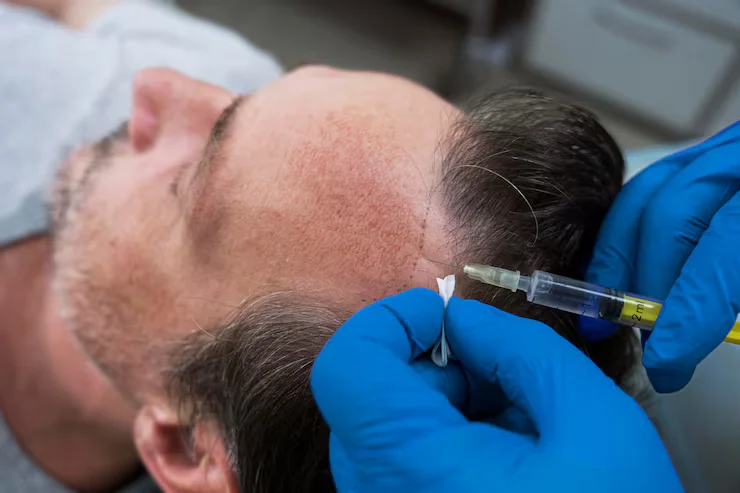
Hair loss is not one condition. These are common patterns seen in practice, and each responds differently:
Often gradual thinning at the hairline, crown, or widening part. This pattern usually benefits from early, consistent therapy and patience.
A shedding pattern that can follow stress, illness, rapid weight change, or major life events. The priority here is identifying the trigger and supporting recovery.
Tight hairstyles, extensions, and repeated tension can damage follicles over time. Changing habits early protects density.
Itching, flaking, or chronic irritation can worsen shedding. Treating scalp health can reduce breakage and improve the environment for regrowth.
If your shedding started suddenly, is patchy, or comes with scalp pain, that deserves a clinician assessment rather than trial-and-error products.
Hair growth moves slowly. Most plans need time before you can judge them fairly.
Phoenix conditions can stress hair and scalp. These simple habits help most people protect progress:
If you’re also exploring broader aesthetics as part of your self-care routine, we may reference related options like Med Spa Services in Phoenix for coordinated support across skin and wellness goals.

We keep your consultation focused and practical so you leave with clarity, not a generic list of products. Our goal is to identify your most likely hair loss pattern, explain what’s driving it, and map a first-line plan with checkpoints you can actually track. We also set expectations upfront, including what should improve first and how long it typically takes before results are meaningful.
A trustworthy plan is specific about timeframes and measurable outcomes. We avoid vague promises and instead focus on clear checkpoints, realistic pacing, and a treatment sequence you can follow consistently.
Hair Restoration in Phoenix AZ works best when it is treated as a structured process with clear checkpoints, not a cycle of random products and frustration. The most reliable approach is to confirm the likely cause of thinning, start proven therapies early, and choose in-office options only when they match your pattern and timeline. When you track progress with photos, shedding trends, and scalp comfort, you can make adjustments based on real response. The team at Body Beautiful Spa can guide you through a focused assessment, build a practical treatment sequence, and set a monitoring plan designed for steady improvement and long-term maintenance.
Many people need consistent daily use for several months, and dermatology guidance commonly notes that visible results can take 6-12 months for some users.
PRP can improve hair density and thickness for androgenetic alopecia, but protocols vary and results are not identical for everyone. It tends to work best as a planned series with clear tracking.
The top reasons are stopping too early, inconsistent use, treating the wrong hair loss pattern, ignoring scalp inflammation, or expecting “quick” regrowth. Hair restoration rewards consistency and realistic timelines.