

Your body gives you signals long before pain becomes impossible to ignore. Tight shoulders, a stiff neck, lower back pressure, heavy legs, and constant physical tension often build slowly through work stress, poor posture, long hours sitting, training fatigue, or not giving your body enough time to recover. Massage Therapy in Biltmore, AZ gives you a chance to step out of that cycle with treatment that is focused on how your body actually feels and functions. The goal is not simply to give you an hour to relax. It is to help release built-up tension, support better circulation, improve how your muscles move, and leave you feeling lighter, looser, and more comfortable in your everyday routine.
Massage works best when it is matched to the way your body holds stress and strain. A more personalized session can help relieve tension patterns that keep returning and make daily movement feel harder than it should.
Start with your body:
Tension Builds in Predictable Areas: Most people do not carry stress evenly. It often settles into the neck, shoulders, lower back, hips, or legs depending on your posture, schedule, and movement habits. Identifying those patterns helps make treatment more effective from the start.
The Right Pressure Creates Better Results: A good session is not about using the deepest pressure possible. It is about choosing the level of pressure that helps your body release tension without creating more irritation afterward. That balance often leads to better relief and a more comfortable recovery.
Regular Care Can Change How You Feel: One massage can help, but repeated tension usually responds better to consistency. When massage becomes part of your routine, it can support better mobility, less stiffness, and a body that feels easier to live in week after week.
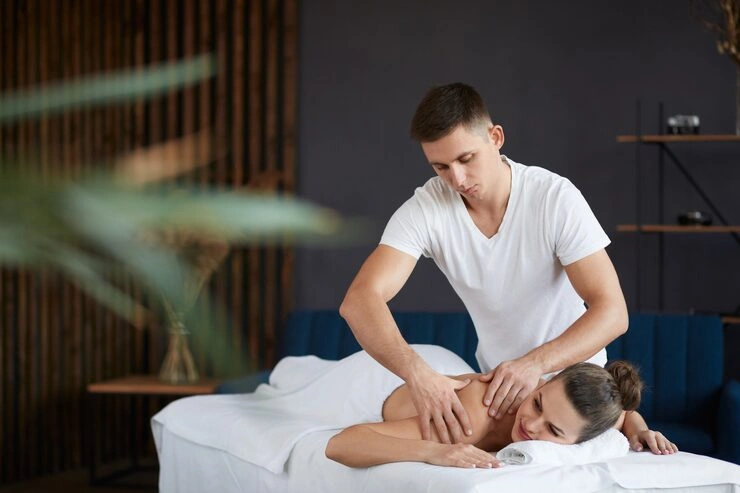
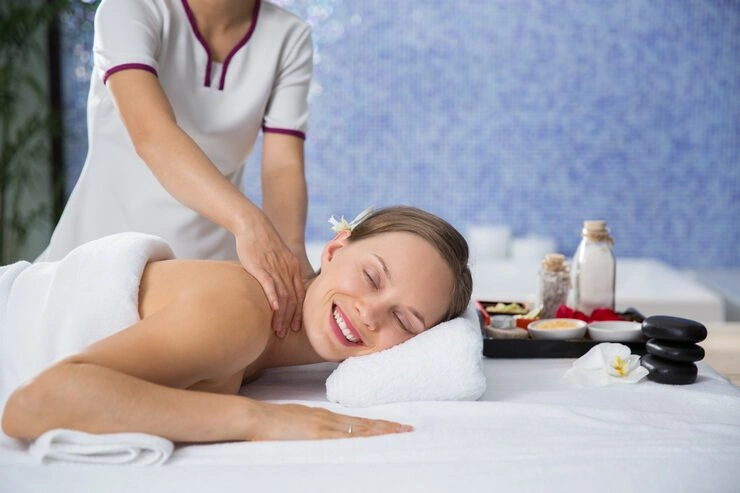
Many people book massage because something feels tight or uncomfortable, but the real benefit often goes further than one sore area. It can support how your whole body feels, moves, and recovers.
Relief with purpose:
Neck and Shoulder Tightness From Daily Stress: Desk work, driving, screen time, and emotional stress often collect in the upper body. That lingering tension can make the shoulders feel heavy and the neck feel restricted even when you are trying to rest.
Lower Back and Hip Discomfort: The lower body often carries the effects of long sitting hours, poor movement mechanics, and general muscle fatigue. Massage can help reduce that compressed, overworked feeling and support easier movement through the hips and lower back.
Muscle Fatigue After Workouts or Activity: If your body feels stiff, heavy, or slow to recover after exercise, massage can be a useful part of your recovery routine. It helps support circulation and can ease the muscular tightness that builds after training or repetitive activity.
Stress That Shows Up Physically: Stress often changes the way the body holds itself. It can tighten the jaw, shorten the breath, raise the shoulders, and keep the body in a more guarded state. Massage can help the body settle so physical tension does not keep building on top of itself.
Massage tends to feel most beneficial when you know what kind of response is normal. Relief can show up in different ways depending on how much tension your body has been carrying.
Support the result:
Some Relief Feels Immediate: Many patients notice easier movement, less tightness, and a lighter physical feeling shortly after treatment. Others feel the biggest difference later in the day once the body has had time to settle.
Mild Soreness Can Be Normal: If the body has been especially tense or if more focused pressure is used, mild soreness can happen afterward. That response is usually temporary and often settles quickly with hydration and rest.
Aftercare Helps You Hold the Benefit: Massage tends to work better when you give your body some support after the session. Drinking water, moving gently, and avoiding immediate physical overload can help the result feel smoother and last longer.
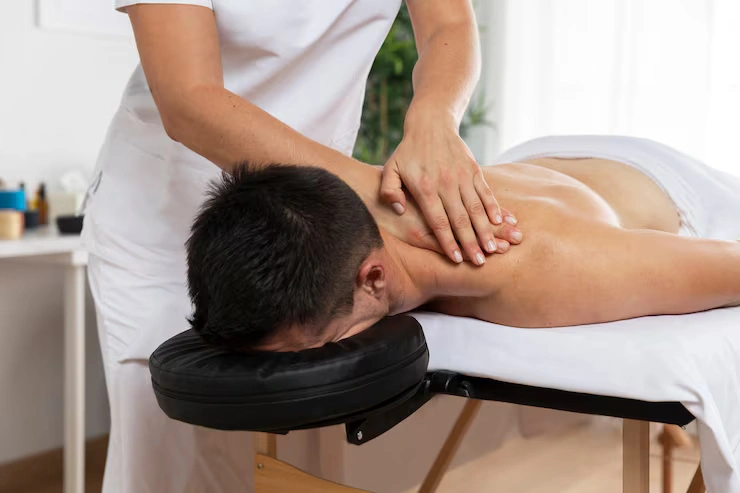
The best massage is not the one that follows the same pattern for every person. It is the one that responds to your body, your tension, and your recovery needs in a way that feels thoughtful and specific.
Care should fit:
Every Body Holds Tension Differently: Two people can both say they feel tight, but the cause and pattern may be completely different. A more personalized approach makes the session feel more effective because it works with your body instead of against it.
Massage Can Fit Into a Larger Body Plan: For some patients, massage is one part of feeling better physically and looking after the body more consistently. If you are also exploring treatment options that support shape and physical confidence, Body Contouring in Biltmore, AZ may fit naturally into your broader care plan.
The Goal Is to Feel Better Beyond the Appointment: A good session should do more than feel nice in the moment. It should help you move through your day with less tension, better comfort, and a stronger sense that your body is finally getting the support it has been missing.
The body usually shows signs of strain before pain becomes severe. Tight shoulders, neck stiffness, lower back pressure, heavy legs, and ongoing muscle tension often build gradually through work stress, posture habits, long hours of sitting, physical training, or limited recovery. Massage therapy can help address that buildup with focused care based on where your body is holding the most tension. If you are ready to feel more comfortable, more mobile, and better supported in your routine, schedule a session with Body Beautiful Spa and start with the areas that need relief most.
Massage therapy is commonly used to ease muscle tension, reduce stress-related tightness, support circulation, and improve comfort in areas like the neck, shoulders, lower back, and hips.
That depends on how much tension your body carries and what your goals are. Some people come in for regular maintenance, while others benefit from more consistent sessions during stressful or physically demanding periods.
Yes, massage therapy is often used to support post-workout recovery by easing muscular tightness, helping the body feel less stiff, and making movement feel more comfortable afterward.