

Expression lines usually begin as movement lines and become more noticeable when the same facial patterns repeat over time. That is why good treatment planning matters more than many people realize. Botox Treatment in Scottsdale, AZ is often chosen by patients who want to soften forehead lines, frown lines, and crow’s feet while still looking natural in conversation, in photos, and in everyday light. Botox works by temporarily relaxing the muscle activity that causes dynamic wrinkles, which makes it especially useful for lines linked to repeated expression. The best results come from careful assessment, measured dosing, and a plan based on how your face actually moves.
Not every wrinkle forms for the same reason. Some lines are tied to repeated facial movement, which is why treating the muscle activity behind them can make a visible difference in how the skin looks at rest.
For that reason:
Forehead Movement Builds Visible Creases: Horizontal forehead lines often deepen gradually because the muscles in this area are active throughout the day. A good plan should soften those lines without making the upper face look heavy or unnatural.
Frown Lines Respond to Muscle Control: The lines between the brows usually come from repeated contraction during focus, stress, or bright light exposure. When that movement is softened properly, the face can look more relaxed and less tense.
Crow’s Feet Reflect Repeated Expression: Lines around the eyes often develop from smiling and squinting. This area needs careful treatment because the goal is to soften visible creasing while keeping facial expression natural and balanced.
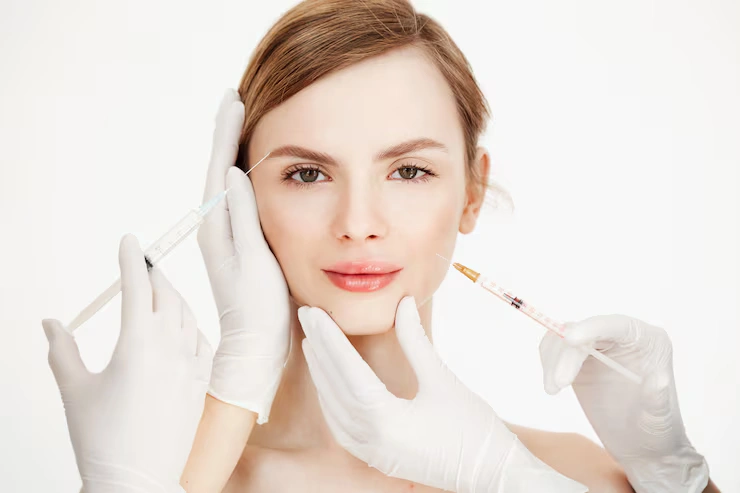
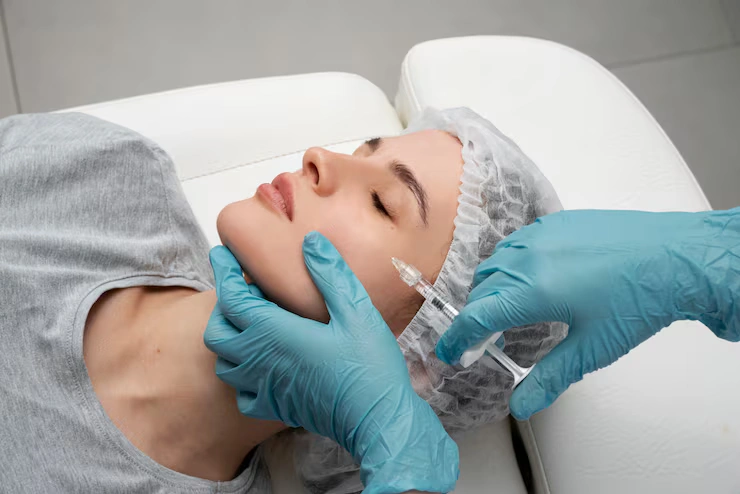
Most patients considering Botox are focused on the areas that move the most and show the earliest visible signs of repetitive expression. These are usually the places where careful treatment can make the face look more rested and polished.
In practice:
Upper Face Lines Often Improve First: Forehead lines, frown lines, and crow’s feet are common treatment areas because they are strongly linked to daily expression and repeated muscle movement.
Treatment Planning Should Match Anatomy: Not every patient moves the same way. Brow position, muscle strength, asymmetry, and natural facial habits all affect how the treatment should be planned.
Natural Results Depend on Restraint: A polished Botox result usually comes from the right amount placed in the right location. Strategic dosing often creates a fresher and more refined appearance than overcorrection ever can.
A strong consultation should explain whether the lines you want to treat are mostly dynamic, whether volume loss is also part of the concern, and whether Botox alone is the right fit for the result you want. This kind of planning helps create a more thoughtful treatment approach from the start.
Before moving ahead:
This level of clarity helps patients make decisions based on outcome and suitability, not just convenience.
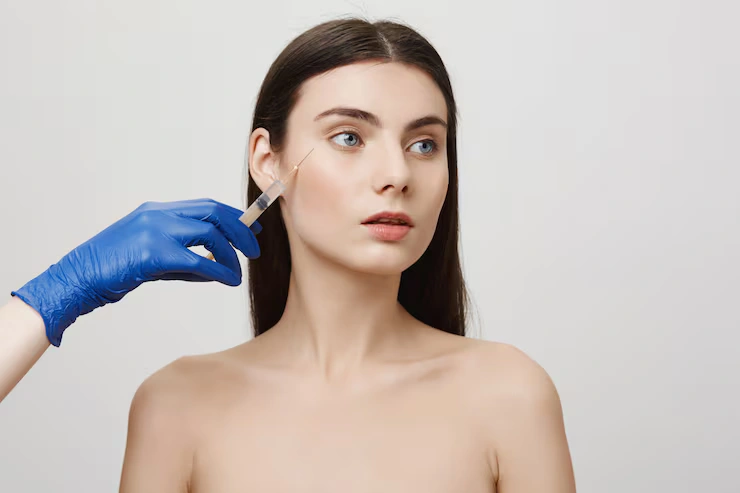
Injectables look best when the treatment respects anatomy, facial balance, and your natural expression. Body Beautiful Spa offers med spa services through licensed professionals and a treatment menu built around matching the procedure to the concern, which supports more individualized planning.
As you compare options:
Anatomy Guides Better Placement: Facial muscles work together, not separately. Placement should be thoughtful so one area is softened without creating imbalance somewhere else.
The Best Outcome Still Looks Like You: Most patients want to look less tired, less tense, or less lined without looking obviously treated. That is why subtle planning and conservative treatment often produce the strongest result.
Combination Planning Can Add Value: Some patients want smoother expression lines and better skin tone at the same time. In those cases, related services such as Laser Facial in Scottsdale, AZ may become part of a broader skin improvement plan.
The best injectable result usually comes from precision, restraint, and a clear understanding of what your face is doing before treatment begins. Botox works well for movement-related lines because it addresses the muscle activity behind them, but the final result still depends on where it is placed, how much is used, and whether the plan matches your actual anatomy and goals. If you want smoother expression lines without losing natural facial character, a consultation should clarify which areas truly need treatment, what kind of improvement is realistic, and how your results can be maintained over time. Book a consultation to discuss your priorities, ask how facial movement affects the plan, and get guidance built around natural-looking improvement rather than overcorrection.
Botox is commonly used to improve the look of dynamic wrinkles caused by repeated muscle movement, especially forehead lines, frown lines, and crow’s feet.
Many patients begin to notice early improvement within a few days, with fuller results developing over about 10 to 14 days.
No. Botox is generally used for wrinkles caused by muscle activity, while fillers are usually used to address volume loss and certain static lines.